
Introduction
Every website owner aims to achieve a high website ranking on search engine results pages. For this, they implement various SEO techniques. One such technique is SEO cloaking.
But is SEO cloaking a legal practice? If not, does Google penalize websites that use this technique? Let us find out.
What is SEO Cloaking?
SEO cloaking is a black-hat SEO practice that is designed to manipulate search engines to help a website earn a higher ranking on the results pages. In SEO cloaking, a different version of the website URL, content, or web page is shown to the search engines for ranking purposes. On the other hand, a completely different version of the same website is shown to the actual visitors. In short, SEO cloaking is a deceptive technique that fools Google crawl bots, and it is a serious violation of Google webmaster guidelines.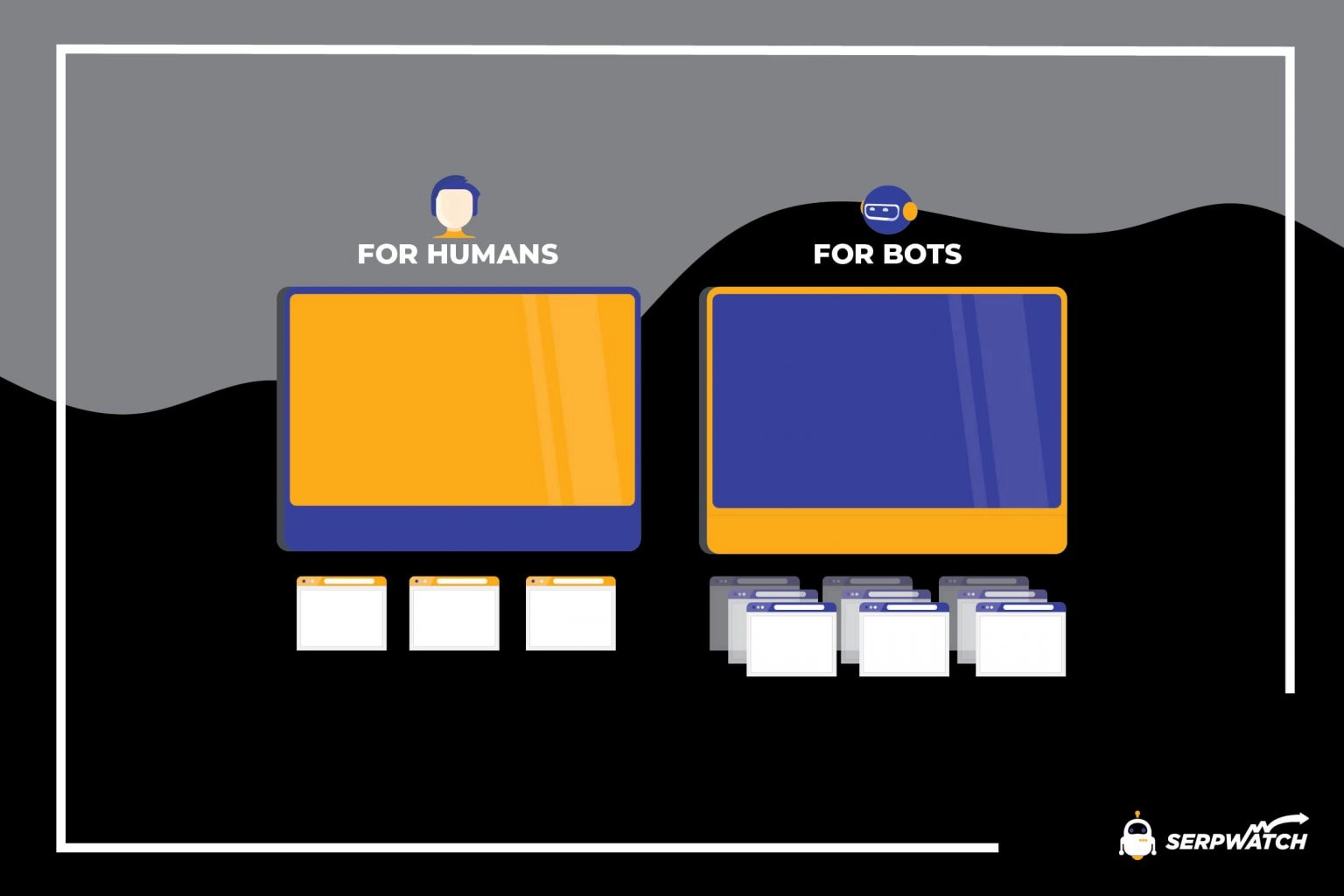
Common SEO Cloaking Practices
There are a lot of ways websites fool the crawl bot through cloaking. Here are some of the most common ones:Hidden Text:
In this technique, some parts of the text on a website are hidden from the users but not from the search engines. This is done to hide certain information from the user, but the same is shown to the search engines to make the website content look more informative. One of the simplest ways inwhich website owners do this is by making the color of the text and the background the same. In addition to this, some website owners also use JavaScript and CSS to hide the text from the user.User Agent Cloaking:
This is a program in which a user agent is placed to determine which version of the cloaked website must be presented to the users. User-agent cloaking works by sending a piece of code to the server. In the process, when a crawlbot visits the website, a different version of cloaked content is shown.IP Cloaking:
IP cloaking is a technique where the user is redirected to a different site through a page that already has a good Google ranking. This is one of the most common types of cloaking and is done so smoothly that the user doesn’t even realize they are being redirected to a different site. IP cloaking is done by setting up access via reverse DNS records.HTTP Accept-Language Cloaking
Here, the user's HTTP Accept-Language header is checked to see if it is a user or a crawl bot. If it is a crawl bot, a different version of the content is shown.JavaSript Replacement
In this technique, a javascript replacement such as HTML is used to display content to the search engines that is not visible to the general users.Flash-Based Websites:
SEO cloaking is very commonly used in Flash-based websites. Search engines and browsers process Flash differently, allowing websites to manipulate their ranking. Here, a different version of the website is shown to crawl bots while also providing a great user experience to visitors.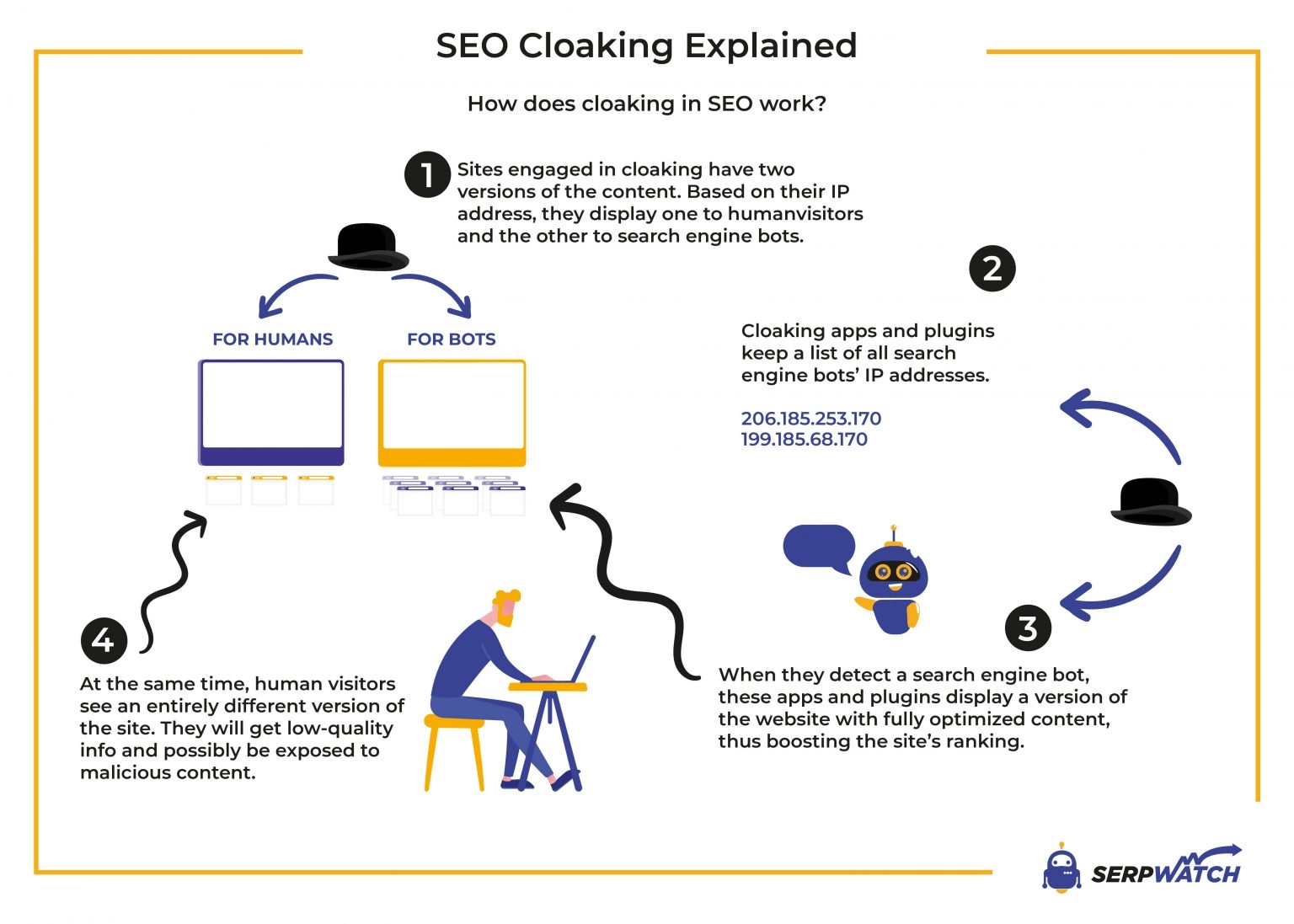
Why do Websites Use Cloaking?
SEO cloaking is a black hat practice that does more harm to the website than good. Now, the main question that arises is, if cloaking is so bad for a website, why do some web owners use it as one of their leading SEO strategies? The answer to this question is that website cloaking is a quick fix to certain problems that a site may be facing for a while. Moreover, SEO cloaking also helps website owners hide their shortcomings. For example, if a website has a bad design, one can use website cloaking to hide it from the crawl bots without making much effort to fix it. In other cases, cloaking has also been used when a website practices keyword overstuffing for its content. By hiding the actual content from the crawl bots, the website owners are able to escape Google penalties while, in reality, poor quality and spammy content is shown to the users.Why is It Important to Avoid Cloaking?
Cloaking is an absolute no for every website. There are various reasons why every website must avoid this practice:You Can Get Penalized:
The penalties for cloaking are heavy. It doesn’t matter whether one is using website cloaking knowingly or not; once search engines learn about this practice, you will notice your search rankings rapidly falling. This also means that other performance metrics, such as organic traffic and conversion rates, will fall as well. In addition, it will take months for the website to emerge from cloaking and regain its footing in the SERPs. In worse situations, the website may never be able to achieve what it has lost.Your Website Could Be Banned Forever:
Getting penalized by Google is actually the best-case scenario. There are other drastic consequences of cloaking. One of which is your website getting banned for an indefinite time period. If this happens, all the efforts that you have made in the past to build your website will go in vain. When a site is banned, it is completely removed from Google’s indexing system. When this occurs, users won’t be able to find your website using any keywords.Your Brand Image Will Be Hampered:
Remember that the guidelines that have been recommended by Google are aimed at helping website owners provide a seamless experience to their visitors. When the user experience is enhanced, the credibility of your website also increases. Hence, any practice that is against Google guidelines will eventually harm your brand image. If your customers ever come to realize that you have utilized black-hat SEO tactics to gain a position in the SERPs, you are going to lose your credibility. This means that you will end up losing customers and have a bad reputation in your niche.What is Not Considered Cloaking?
Now, there are numerous practices that enhance the user experience and help boost the ranking of your website on SERP. However, that does not mean that these practices are cloaking. If your website uses the following practices, don’t worry it is not cloaking:- Having personalized content for the search engines as well as the target audience.
- Redirecting users to a different page because the domain has been changed or two pages have been consolidated.
- Having content behind a paywall or other gate.
- Adding tooltips or accordions that reveal more information when the user clicks on them.