
Introduction
Featured snippets have become one of the most valuable pieces of real estate in search engine results pages. These are not just regular search results; featured snippets give you a shortcut to the top of Google’s search results, also known as “Position Zero.” Optimizing for featured snippets is necessary to increase your website’s visibility and drive more organic traffic. In this article, we’ll dive deep into featured snippets, their types, why they are important, and, most importantly, how to get them for your website.
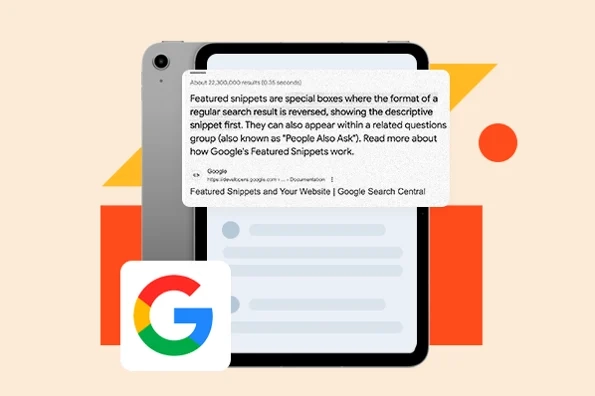
What Are Featured Snippets?
A featured snippet is a block of content that appears at the top of Google's search results and directly answers a user's query. Google's featured snippets are pulled directly from the content of high-ranking pages and are designed to answer questions quickly without the user needing to click through to the website. These snippets often appear in paragraphs, lists, tables, or videos. You might have noticed that featured snippets are more visually prominent than traditional blue links and are often placed right at the top of the search results page. They grab users' attention immediately, making them highly valuable for any website that can claim one.Why Are Featured Snippets Important?
Featured snippets are essential because they offer an opportunity to rank above the top organic search results. This is a significant advantage, especially if you are not already ranking in the number one position in Google's search results. Moreover, featured snippets often result in more organic traffic, as users tend to click on the featured snippet to read more. Here are some key benefits of featured snippets:- Increased Visibility: Place at the top of the search results page, which gives your content more exposure.
- Higher Click-Through Rate (CTR): Although featured snippets don’t always result in clicks (especially for informational queries), they often attract users who want to learn more.
- Improved Brand Authority: When Google selects your content to be shown as a featured snippet, it builds trust and positions your site as an authority in that subject area.
- Optimized for Voice Search: Many voice-activated devices, like Google Home or Siri, rely on featured snippets to quickly answer user queries.
Types of Featured Snippets
Featured snippets are the concise answers Google pulls from web pages to display at the top of search results, often called "Position Zero." These snippets aim to give users a quick and direct answer to their queries. Understanding the different types of featured snippets can help you optimize your content for better visibility. Here are the four main types:1. Paragraph Snippets
Paragraph snippets are the most common type of featured snippet and are typically used to answer questions that start with "what," "why," or "how." They consist of a short block of text, usually between 40 and 60 words, that provides a direct answer to the user's query. For example, when someone searches "What is digital marketing?" the snippet will display a brief paragraph that defines the term or explains it.2. List Snippets
List snippets appear as ordered (numbered) or unordered (bulleted) lists. They are most often used for step-by-step instructions or ranked lists. These snippets are useful for queries like "how to bake a cake" (ordered list) or "best places to visit in Europe" (unordered list).3. Table Snippets
Table snippets display structured data such as comparisons, statistics, prices, or rankings. Google pulls the data from tables already present in your content and presents it in an easy-to-read format in the search results. For example, a "laptop price comparison" search may display a table listing different laptop models and prices.4. Video Snippets
Video snippets are typically pulled from YouTube and used for queries where a visual explanation is more helpful, such as "how to tie a tie." These snippets often include a specific timestamp to start the video at the most relevant part.Why Is Optimizing for Featured Snippets Important?
Optimizing for featured snippets is one of the most effective strategies to increase your website’s visibility and drive organic traffic. Featured snippets appear at the top of Google’s search results, often above the number one organic result, in what is referred to as Position Zero. This coveted spot provides numerous benefits for your website.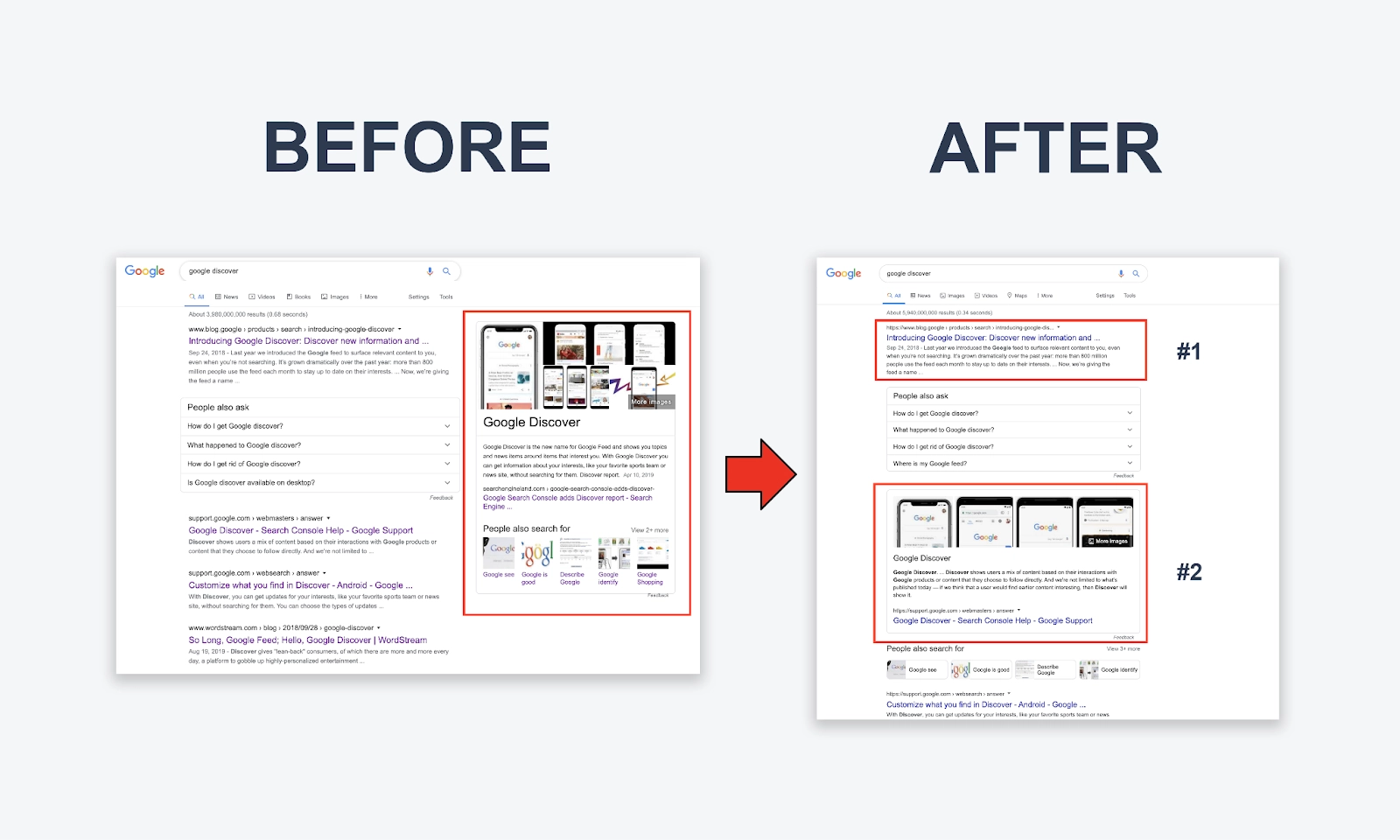
1. Increased Visibility and Traffic
By securing a featured snippet, your content appears prominently on the search results page. This increases your visibility and can result in a significant boost in organic traffic. Users are more likely to click on content that directly answers their query, and since featured snippets are placed above regular search results, they tend to attract more attention.2. Authority and Trustworthiness
When Google displays your content as a featured snippet, it signals to users that your site is trustworthy and authoritative. This credibility can improve your brand's reputation and help establish you as an expert.3. Optimized for Voice Search
As the use of voice search increases through devices like Google Home and Amazon Alexa, featured snippets play an important role. Voice assistants often pull their answers directly from featured snippets, which means optimizing for them helps you reach users who rely on voice queries.4. Opportunity to Outrank Competitors
You don’t need to hold the number one organic ranking to secure a featured snippet. Even if your page is lower in the search results, optimizing for snippets can help you leapfrog over competitors and claim Position Zero, giving you an edge in the SEO race.How to Get Featured Snippets?
Now that you know why featured snippets are important, let’s dive into how you can secure them for your website. The good news is that while there’s no guaranteed way to win a featured snippet, several strategies can improve your chances.1. Perform Keyword Research and Identify Featured Snippet Opportunities
The first step to getting a featured snippet is to perform keyword research to identify opportunities. Not all search queries trigger featured snippets, so you need to focus on the ones that do. Look for queries with a featured snippet in the results or those highly likely to generate one. These are typically question-based or "how-to" searches. Use SEO tools like Ahrefs, SEMrush, or Ubersuggest to find featured snippet opportunities. These tools allow you to track which queries already have featured snippets and where your competitors might be ranking for them. Here are a few tips for effective keyword research:- Target long-tail keywords: Longer, more specific queries often trigger featured snippets. These queries are also less competitive than shorter, more general keywords.
- Focus on informational queries: Questions that begin with "what," "how," "why," or "when" are more likely to have a featured snippet. Identifying these will help you create content tailored to users’ needs.
- Analyze your competitors: Use tools like Ahrefs’ Organic Keywords Report to see which featured snippets your competitors are ranking for, and consider how you can optimize your content to steal those snippets.
2. Optimize Content to Match the Featured Snippet Format
Now that you’ve identified the right keywords and understand the search intent, it’s time to optimize your content. How you structure and present your content greatly determines whether Google will select it for a featured snippet. Here’s how to tailor your content for different types of snippets:a. Paragraph Snippets
For paragraph snippets, providing a direct answer to the query within the first 40–60 words of your content is essential. Use clear, concise language, and try to summarize the most important points. Include the query keyword naturally within the answer. For example, if the query is "What is a featured snippet?" you should answer with something like, “A featured snippet is a block of content that appears at the top of Google’s search results to provide a direct answer to a user’s query. It is often shown in a paragraph, list, table, or video format.”b. List Snippets
If you’re targeting a list snippet, structure your content as a bulleted or numbered list. List snippets often appear for queries that require step-by-step instructions or ranked items, like "best SEO tools" or "how to create a blog." To optimize for list snippets, ensure your list is clearly defined with headings like “Step 1, Step 2” or “Item 1, Item 2.” Bullet points work well to organize information for unordered lists.c. Table Snippets
Table featured snippets present structured data, such as prices, statistics, or comparisons. If you’re aiming for a table snippet, use HTML tables to display your data, making it easy for Google to extract and display the content. For example, if the query is “laptop price comparison,” you could present a table with columns for model names, prices, and SERP features.d. Video Snippets
To win a video snippet, create high-quality, informative videos and optimize them for search. Make sure your video titles, descriptions, and tags are clear and contain the relevant keywords. If your video is instructional (like a tutorial), include timestamps so that Google can jump to the specific part that answers the query.3. Focus on Google Search Intent and User Experience
Google’s algorithms focus on search intent—the underlying reason behind a user’s query. If you want to rank for a featured snippet, your content must satisfy the user's intent fully and efficiently. For example:- Informational queries (e.g., "How to fix a leaky faucet") will require detailed guides or lists.
- Comparative queries (e.g., "iPhone vs. Android") often benefit from tables that display key differences.
- Use headings (H1, H2, H3) to structure your content logically. It makes it easier for search engines to understand your content and rank it higher.
- Write in short, clear sentences that provide value to the user.
- Ensure that your content is mobile-friendly, as search engines prioritize mobile-optimized content.
4. Track Featured Snippets and Monitor Performance
Even if you find a featured snippet, it doesn’t guarantee you’ll keep it forever. Snippets can change based on updates in search algorithms or new, optimized content from competitors. That's why tracking featured snippets and monitoring your rankings is essential. Using tools like Ahrefs or Semrush, you can easily track which keywords trigger featured snippets for your pages and how well they perform in organic traffic. You can also monitor your competitors to see if they’re trying to take back the featured snippet box. Here’s how you can track snippets:- Use an organic keywords report to see which pages rank for featured snippets.
- Create a portfolio of important URLs to monitor and set up alerts if your page loses a featured snippet to a competitor.
- Regularly update and optimize your content based on new keyword opportunities and changing search intent.
5. Create High-Quality, Authoritative Content
One of the key factors in winning featured snippets is the overall quality of your content. Google is constantly evaluating the authority and trustworthiness of your site. By producing well-researched, authoritative content, you improve your chances of being selected for Google’s featured snippets. To create high-quality content:- Make sure your content is factually accurate, well-researched, and up-to-date.
- Cite authoritative sources where necessary to add credibility.
- Use images, infographics, and videos to enhance the user experience, especially for "how-to" content, which often results in video snippets.
6. Optimize for Voice Search
With the increasing use of voice-activated devices like Siri, Alexa, and Google Home, voice search optimization is becoming more critical. When users perform voice searches, the responses are often pulled directly from featured snippets. To optimize for voice search:
 - Focus on natural language. Most voice search queries are conversational and long-tail.
- Answer questions directly and concisely, as voice search favors short, precise answers.
- Ensure your content is structured and easy for search engines to read, using proper HTML tags and formatting.