
Introduction
The evolution of search engine algorithms has made it super hard to top the search rankings. Creating quality content and offering value sounds fine but is quite challenging. That’s why SEO experts start relying on black hat SEO tactics like doorway pages. Let’s dig deeper into such pages and their impact on your site.
Doorway Pages Explained
Imagine you’re trying to find a specific restaurant in a bustling city. You might make a Google search for “best Italian restaurants in New York.” Now, if you land on a page that simply lists a bunch of restaurants without any details about them, it’s likely a doorway page. Doorway pages, also known as portal pages or jump pages, are created to rank highly in search engine results pages for specific keywords. Such pages often lack original content and are designed to quickly redirect visitors to another page. Search engines generally frown upon doorway pages because they offer a poor user experience. Creating doorway pages is a black hat SEO shortcut that doesn’t really help you get better search results.Types of Doorway Pages
Doorway pages come in various forms, each designed to manipulate search engine rankings. Here are a few common types:Microsites
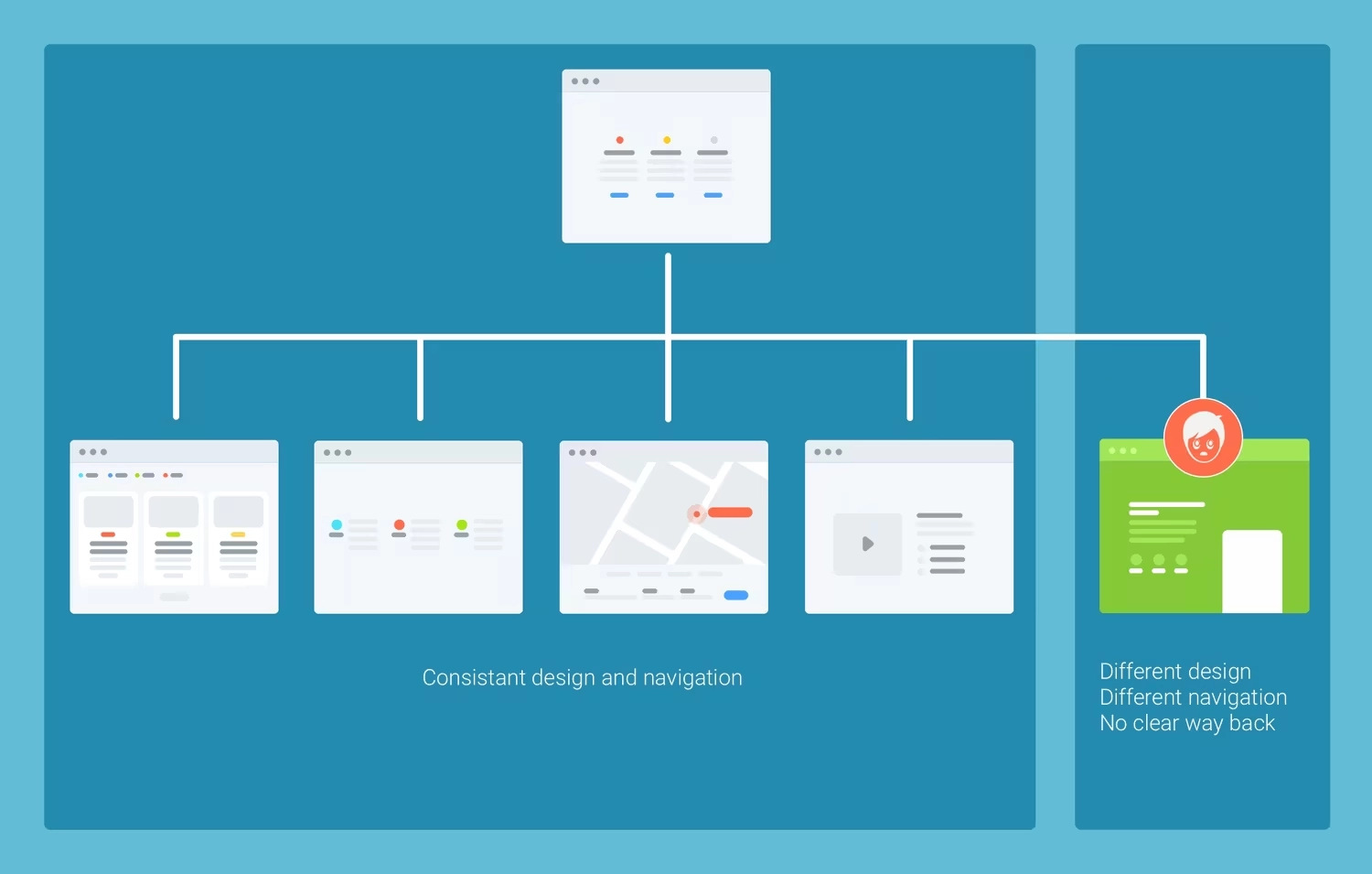 Explanation: A microsite is a self-contained website that lives outside of your main website. It’s often used to promote your site or product launches. When used correctly, microsites can be a valuable marketing tool. However, when used unethically, such pages can act like doorway pages that can hurt your site’s SEO health. Example: A company might create a microsite with just a URL and home page for a limited-time sale or a new product launch. If this microsite only exists to rank for specific keywords in search engine results pages and then redirects visitors to a main website, it could be considered a doorway page.
 Location-Specific Pages

 Explanation: Creating multiple location pages is another common black hat SEO tactic. Such pages have similar content but are optimized for different locations. While such pages can be legitimate for businesses with multiple physical locations, they can also be used as doorway pages if there are multiple pages created solely for ranking purposes. Example: Imagine a retailer with stores in multiple cities. They might create separate doorway pages for each location, optimizing each page with the city’s name and relevant local keywords. This is the legitimate use of location-specific pages. However, if a business creates multiple pages with identical content, except for the location-specific keywords, solely to rank for more terms, it could be considered a doorway page and a black hat SEO practice.
 Redirect Pages
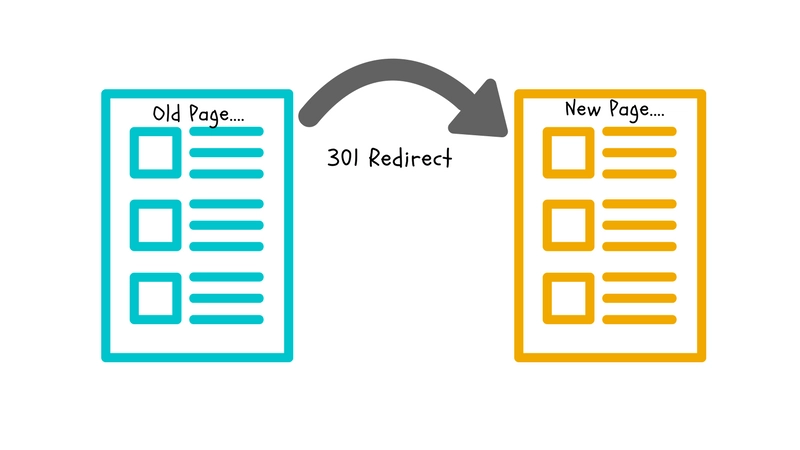 Explanation: A redirect page is a simple page that contains a meta refresh tag or a 301 or 302 redirect, directing visitors to another URL. This can be useful for website maintenance or when a page has been moved. However, if a redirect page is used solely to rank for specific keywords and then funnel visitors to a less relevant page, it could be considered a doorway page. Examples: A website might use a redirect page to temporarily redirect visitors to a maintenance page while they update their site. However, if a website creates such pages for a specific keyword and then redirects visitors to a page that doesn’t actually match the keyword, it is a case of a redirecting doorway page.
 Why Are Doorway Pages Bad for SEO?
Doorway pages, while they might seem like a quick way to boost your search engine rankings, can actually do more harm than good. Here’s why:Poor User Experience
Doorway pages or portal pages often lack valuable content and are designed to quickly funnel visitors to another page. This can frustrate users who are looking for information or a specific product. Poor user experience also sends negative signals to search engines about your site, which can result in ranking dips or penalties.Search Engine Penalties
Search engines like Google prioritize websites that provide a positive user experience and valuable content. Doorway pages are often seen as spammy and can lead to penalties, which can significantly lower your search engine rankings.Decreased Website Authority
When search engines penalize your website for using doorway pages, it can damage your overall website authority. This means that your other pages can also rank lower in search results.Long-Term Impact
While doorway pages might seem like a shortcut to more traffic and better rankings, they can have long-term negative consequences for your website’s search results performance. It’s better to focus on creating high-quality content and building a strong online presence through ethical SEO practices.How to Identify Doorway Pages?
While doorway pages can be sneaky, there are a few telltale signs that can help you identify them. Here are some key indicators:- Thin or Repetitive Content: Doorway pages often lack substantial content or simply repeat the same keywords over and over.
- Excessive Keyword Stuffing: A doorway page is often overly packed with keywords. Search engines can detect keyword stuffing and penalize websites that engage in this practice.
- Sudden Redirects: Be on the lookout for multiple pages that try to funnel visitors to another website or a different page within the same site. This is a common tactic used by doorway pages.
- Lack of Navigation: Doorway pages often have limited or no navigation options, making it difficult for visitors to explore other parts of the website.
- Suspicious Links: If a page has an excessive number of links that appear unnatural or irrelevant, it might be a doorway page.
- Multiple Domain Names: If a site is using multiple domain names or multiple pages to drive users to specific content, such pages under these domains can also be called doorway pages.