
Introduction
While surfing the internet, have you ever noticed how certain websites always seem to appear at the top of your search results? That’s often because they have a high Domain Authority (DA). But what is DA? And, if it’s so useful, how do you improve your DA? Let’s understand the answer to these questions in detail.
Understanding Domain Authority
Domain Authority (DA) is a useful comparative metric to establish a website’s reputation and visibility online. Created by Moz, this score ranges from 1 to 100 and serves as an indicator of how well a website might perform on Google’s search engine result pages (SERPs). Essentially, the higher the DA, the greater the likelihood of a website appearing at the top of Google search results.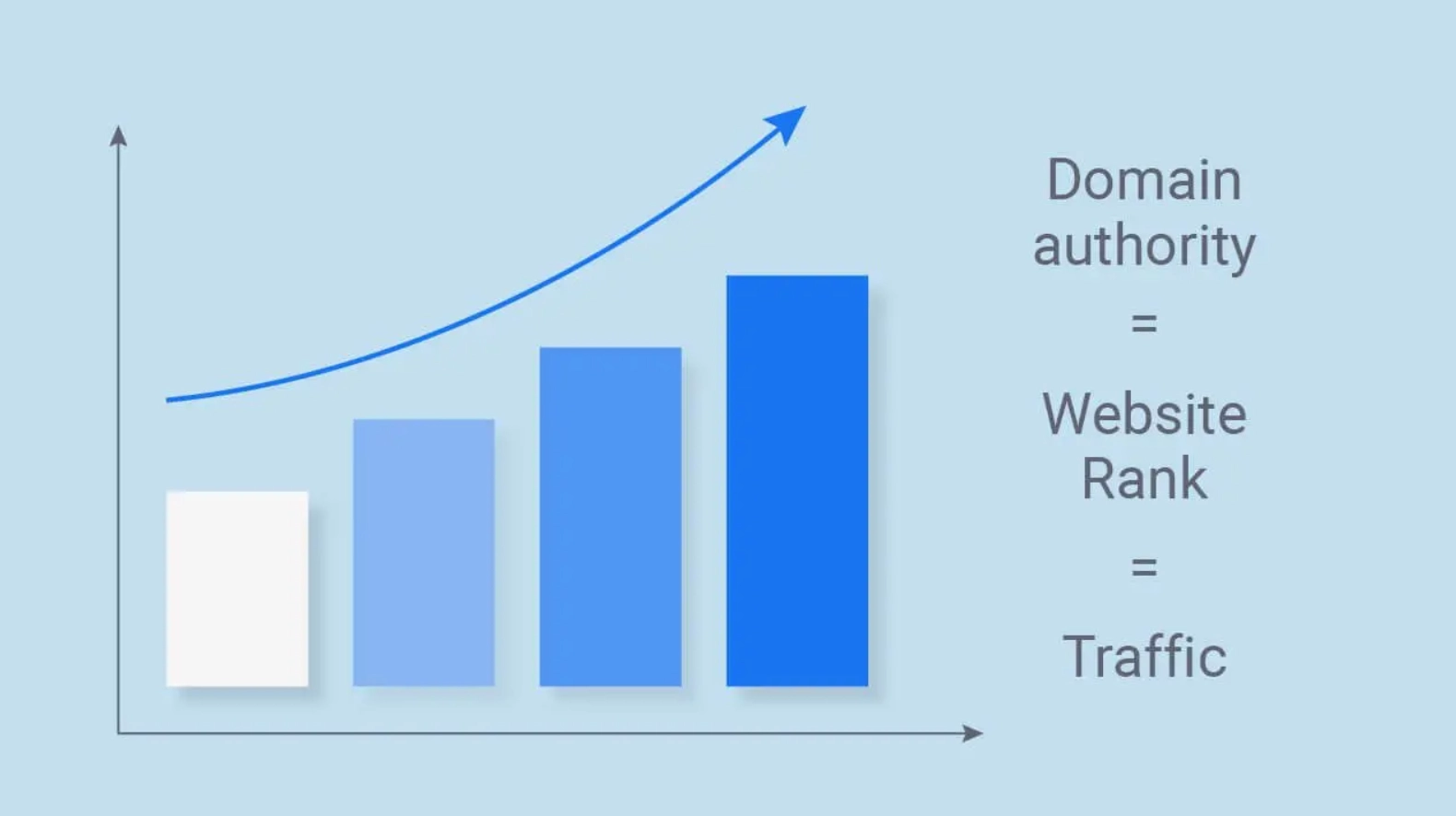 Domain Authority is similar to a grading system for your website. Just as good grades can open doors to top colleges and opportunities, a high DA can lead to more exposure, higher search traffic, and better engagement on your site. For example, a well-known website like Wikipedia consistently ranks high in SERPs, partly because it has a strong domain rating of 90+, signifying strong reliability and authority in its niche.
 Why Is DA Important?
Even though DA is not an official ranking factor for websites, the elements influencing DA are aligned with what makes a website favorable in Google's eyes. These ranking factors include the number and quality of backlinks leading to the site and the overall quality of the site’s content. A business with a higher authority score is seen as more credible and authoritative compared to competitors with lower Domain Authority scores, much like how a store on a busy street corner is more visible than one hidden away in an alley. For businesses and marketers, understanding and improving your website’s Domain Authority means you’re tuning your website to the characteristics of sites that tend to rank well. This can lead to organic growth in search traffic and an improved online presence, making DA a valuable aspect of SEO strategy and digital marketing.How Is Domain Authority Calculated?
Domain Authority is calculated by Moz, a prominent SEO tool company, using a complex algorithm that considers multiple factors to assess the potential ranking power of a website on search engine result pages (SERPs). This is how DA is determined: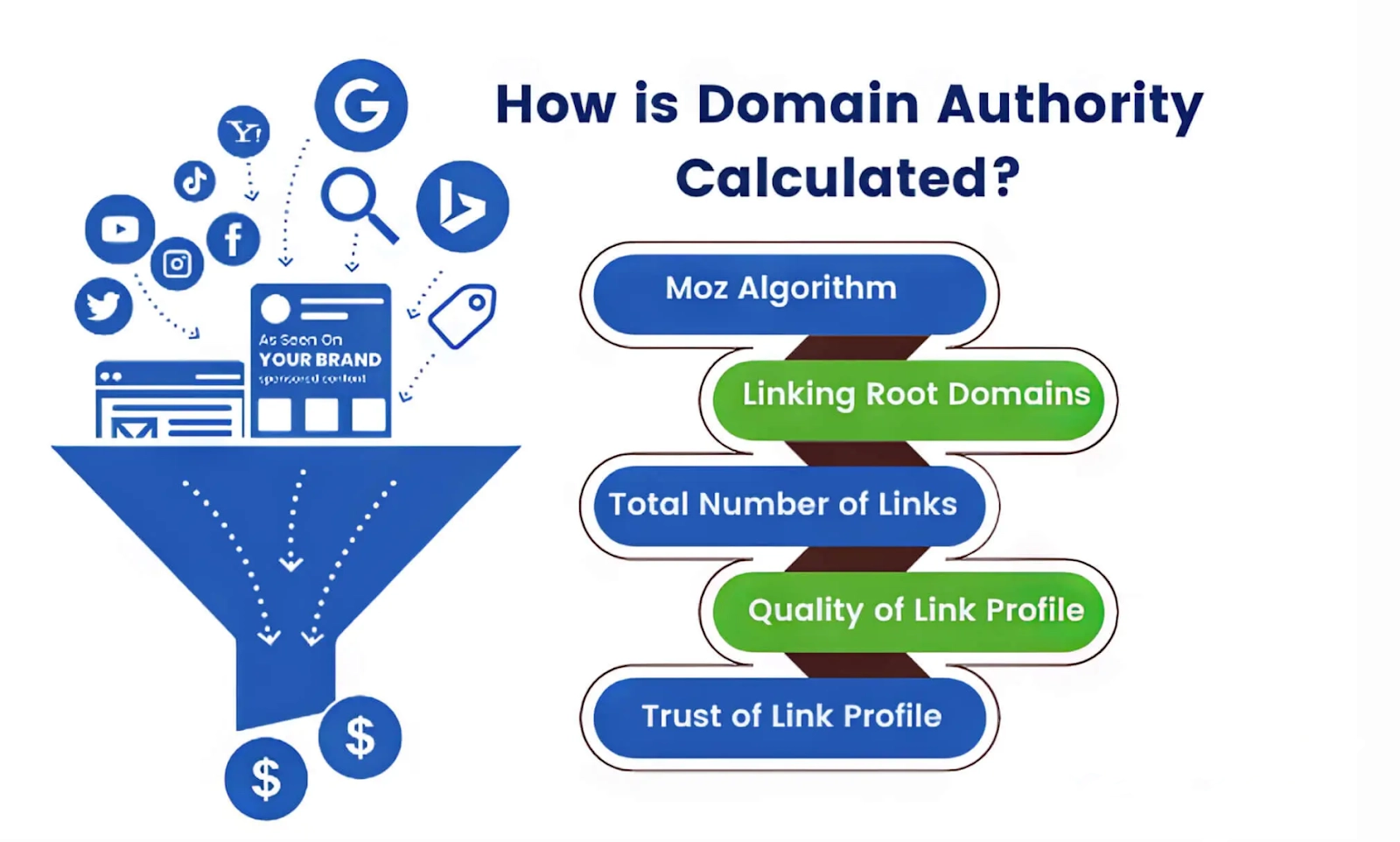
Volume and Quality of Inbound Links (Backlinks)
One of the most significant factors in calculating DA is the number and quality of backlinks your site has. Backlinks are links from other websites pointing to your site. High-quality backlinks that come from reputable and authoritative sites can considerably boost your DA as they suggest that your content is trustworthy and valuable.Volume and Quality of Outbound Links
The links your site sends out to other sites also matter. Linking to authoritative and relevant sites can improve your site's credibility and authority, which in turn can positively influence your DA.Quality of Unique Backlinks
It is not just any backlink that counts; the diversity of backlinks plays a major role. Links from different authoritative domains (referred to as root domains) are better than multiple links from the same domain. Each unique link acts as a vote of confidence from another site, strengthening your website’s standing.Spam Score
This is a Moz-developed metric that evaluates the likeness of your website to others that have been penalized or banned by Google due to spammy practices. A high Spam Score can negatively impact your DA, as it suggests your site might be engaging in questionable SEO practices. By analyzing these elements through its Link Explorer web index, Moz uses a machine learning model to predict how likely your website is to rank in Google’s SERPs. The final Domain Authority score, ranging from 1 to 100, provides a comparative tool to assess the "ranking strength" of your website over time and against competitors.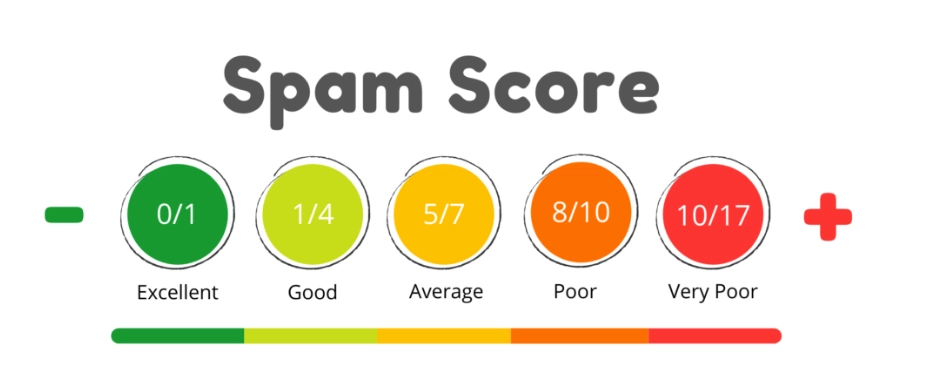
What Is a Good or Average Domain Authority Score?
A good Domain Authority score varies widely depending on the industry and the competitiveness of specific keywords. However, general benchmarks can guide you:- A domain’s DA score between 40 and 50 is considered average and shows that your site has a decent amount of authority and ability to rank.
- Scores between 50 and 60 are seen as good, indicating a strong competitive position within your niche.
- Any score above 60 is considered excellent, showcasing a highly authoritative site that is likely to rank well on SERPs.
Page Authority vs. Domain Authority
It’s essential to understand the differences between Page Authority (PA) and Domain Authority (DA) to effectively apply SEO strategies. Both these authority metrics, developed by Moz, serve as key indicators of ranking potential but differ in scope and application.
Page Authority (PA)
- Scope: PA measures the ranking strength of a single webpage, not the entire website.
- Calculation: Like DA, PA is calculated using data from Moz’s web index, but it focuses on factors specific to individual pages. Moz uses a machine learning model to correlate these data with how well a page performs in search engine results.
- Use Case: PA is incredibly useful for analyzing specific pages within a website. It helps marketers and SEO professionals measure how likely a particular page is to rank well in SERPs.
Domain Authority (DA)
- Scope: In contrast, DA assesses the overall ranking strength of an entire website or domain.
- Calculation: DA considers more comprehensive factors such as the total number of links and the quality of linking root domains. It uses a broader machine learning model that estimates the likelihood of a website ranking based on its entire link profile.
- Use Case: DA is primarily used to compare the overall competitive strength of entire sites. It’s beneficial for benchmarking a website against others and tracking its ranking potential over time.
Key Differences
- Specificity: PA is specific to individual pages, making it precise for page-level optimization. DA, however, applies to whole domains or subdomains, providing a macro view of a site's strength.
- Application: PA can identify why certain pages perform well or poorly, guiding targeted improvements. DA helps in strategic decision-making by giving an overview of a site’s health and competitive standing.
- Comparative Use: Both PA and DA are more effective when used as comparative tools rather than absolute measures. They help you understand your position relative to competitors rather than provide a definitive measure of success.
How Can I Increase My Domain Authority?
Increasing your website’s Domain Authority is like boosting your website's reputation in the digital neighborhood of the internet. Here are some practical steps to increase Domain Authority: