
Imagine steering your business through diverse local markets with precision and impact. This blog unfolds the roadmap to local online success through Multi-location SEO. Let’s dive in!

Navigating the vast digital landscape, businesses today must hone their online presence to meet the diverse needs of local audiences.
Multi-location SEO isn’t just a strategy; it is a necessity in this dynamic environment.
This blog serves as a comprehensive guide, helping you understand the basics of multi-location SEO and providing a roadmap for businesses with a footprint in different locations.
Whether setting out on your entrepreneurial journey or steering an established brand, understanding and leveraging multi-location SEO is the key to thrive in today’s digital world.
What is Multi-location SEO?
Before we dive into the advantages, let’s grasp the essence of multi-location SEO.
In a nutshell, it is a targeted digital marketing strategy designed for businesses operating in multiple locations.
Multi-location SEO is tailored to elevate your visibility in local search results, whether you are a retail chain, franchise, or service provider with a regional presence.

If you were traveling to Chicago, you’d also find branches and website results about Tacobell that are related to your location.

Mechanics of Multi-location SEO
Localized Keywords
One of the primary elements of multi-location SEO is the integration of location-specific keywords.
These are the phrases your potential customers are likely to use when searching for services in their area. You enhance your visibility in local search results by infusing your content, meta tags, and website copy with these keywords.
Google My Business Optimization
Multi-location SEO significantly emphasizes optimizing Google My Business listings for each location.
This includes making sure accurate business information, using location-specific images, and encouraging customer reviews.
Localized Content
Tailoring your content to the nuances of each location is a hallmark of multi-location SEO. This goes beyond merely mentioning keywords; it involves creating content that caters to the local audience.
Whether highlighting community events, addressing regional concerns, or showcasing location-specific offerings, localized content establishes a genuine connection with your audience.
Backlink Strategy
Building a robust backlink profile is a crucial aspect of multi-location SEO.
This involves acquiring high-quality backlinks from local websites, directories, and community pages. These backlinks not only contribute to your website’s authority but also signal to search engines that your business is a relevant and trusted resource in each location.
Benefits of Multi-location SEO
Increase Local Marketing Presence
The primary goal of any business is to be where its customers are. Multi-location SEO achieves just that by optimizing your online presence for local searches.
This ensures your business is easily discoverable and establishes a strong connection with the local audience.
Attract Local Customers
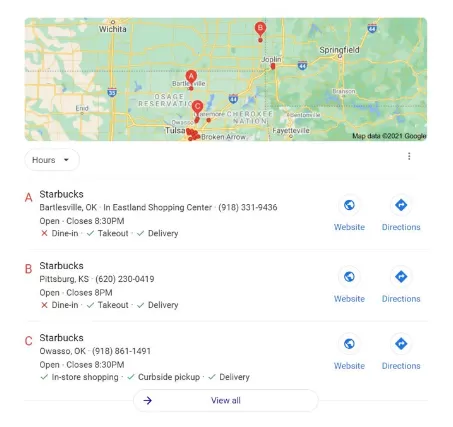
A key advantage of multi-location SEO is its ability to attract local customers actively seeking products or services in their vicinity.
By tailoring your digital marketing efforts to specific locations, you create a more personalized and relevant experience, making potential customers more likely to engage with your business.
Boost Brand Awareness
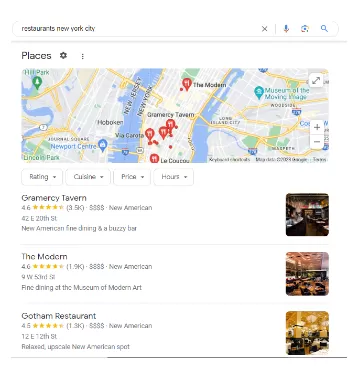
Building brand awareness locally is important for sustained business growth.
Multi-location SEO strategies include optimizing local business listings, ensuring accurate information across platforms, and using apt keywords. This boosts your visibility and reinforces your brand identity within each community.
Increased ROI
Investing in multi-location SEO is not just about increasing visibility; it is a strategic move with a solid ROI.
By targeting the right audience in each location, you optimize your marketing spend, ensuring that every dollar contributes to tangible results and business growth.
Competitive Advantage
In a competitive business landscape, standing out is essential.
Multi-location SEO provides a competitive edge by fine-tuning your digital presence for local relevance.
When potential customers search for products or services in their area, your business is positioned ahead of competitors, increasing the likelihood of conversions.
Local SEO Ranking Factors You Need to Know
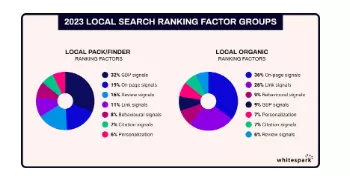
As we understand multi-location SEO, it is crucial to understand the intricate web of Local SEO ranking factors that determine how prominently your business appears in local search results. Google’s algorithms consider many signals to ensure that users are presented with the most relevant and trustworthy results for their local queries.
Google Business Profile Signals
At the heart of local search visibility lies the Google Business Profile. Think of it as your digital storefront on Google. Optimizing this profile is paramount for multi-location SEO success. Key considerations include:
- Accurate Information: Make sure that your business name, address, phone number (NAP), and business hours are precise and consistent across all locations. Discrepancies can confuse potential customers and hinder your local SEO performance.
- Categories and Attributes: Choose the most relevant categories for your business and leverage attributes to highlight specific features. This not only aids Google in understanding your business but also improves its relevance in local searches.
- Customer Reviews: Encourage and manage customer reviews. Positive reviews enhance your business’s reputation and contribute to higher rankings in local search results.
On-Page Signals
The content on your website plays a crucial role in local SEO.
Crafting location-specific content and optimizing on-page elements is necessary.
Here are the key considerations:
- Location-specific Pages: If your business operates in multiple locations, create individual pages for each one. These pages should contain localized content, relevant keywords, and information specific to the corresponding area.
- Meta Tags and Descriptions: Customise meta titles and descriptions with location-specific keywords. This improves click-through rates and signals to search engines that your content is relevant to local queries.
Review Signals
Customer reviews are not just testimonials but potent signals influencing local SEO rankings. You should pay attention to:
- Review Quantity and Velocity: A consistent stream of reviews signals to search engines that your business is active and valued by customers. However, a sudden surge in reviews might raise suspicions.
- Review Diversity: Encourage reviews across various platforms. This diversity indicates credibility and authenticity to search engines.
Link Signals
Backlinks are a fundamental element of SEO, even on a local scale. You must focus on the following:
- Local Backlinks: Acquire backlinks from local businesses, organizations, and directories. Local link-building reinforces your business’s connection to the community.
- Anchor Text: Make sure the anchor text includes location-specific keywords when obtaining backlinks. This helps search engines understand the relevance of the link to local searches.
Behavioral Signals
User behavior provides search engines with valuable insights about your business’s relevance and quality. You should take note of:
- Click-through Rate (CTR): A higher CTR indicates your business attracts clicks from local search results. Craft compelling meta titles and descriptions to entice users to click.
- User Engagement: Factors like time spent on your website and pages per visit contribute to the overall evaluation of user engagement. Quality content and a seamless user experience enhance these signals.
Citation Signals
Citations are online mentions of your business, typically in directories and other platforms. You must ensure:
- Consistency: Your business information (NAP) should be consistent across all citations. Inconsistencies can lead to clarity and positively impact your local SEO.
- Relevance: Choose authoritative and relevant platforms for citations. Being listed on industry-specific directories and local business associations boosts your credibility.
Personalization
Local search results are increasingly personalized based on user behavior, preferences, and location. You should adapt by:
- User Personalisation: Tailor your content to address your local audience’s specific needs and interests. Understanding local trends and preferences enhances personalization.
- Mobile Optimisation: As a significant portion of local searches occurs on mobile devices, make sure your website is optimized for mobile users. A seamless mobile experience contributes to better personalization.
How to Optimize SEO for Multiple Locations
Create a Web Page for Each Location on Your Website (with a unique URL!)
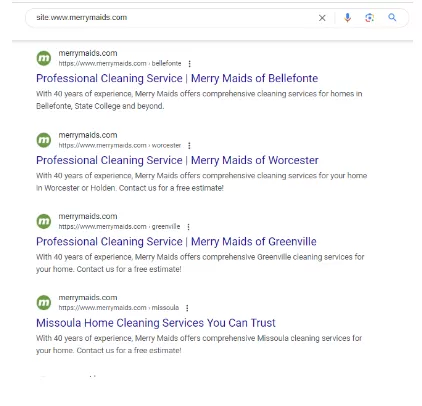
Precision is paramount in multi-location SEO. Assign a dedicated web page for each location on your website, ensuring each page possesses a unique and discernible URL. This not only facilitates efficient indexing by search engines but also enables users to navigate seamlessly to location-specific content.
- https://example.com/locations/city-1
- https://example.com/locations/city-2
- https://example.com/locations/city-3
For Example:
Optimize Each Page For Location-Specific Keywords
Embed location-specific keywords thoughtfully across each page – from meta titles and descriptions to the body content.
This approach ensures alignment with local search queries, enhancing the visibility of your business in diverse communities.
Create Localised Content for Each Location
Content is the articulate expression of your brand.
Tailor blog posts and landing pages to resonate with each location’s unique characteristics.
From highlighting community events to spotlighting region-specific promotions, this nuanced approach establishes an authentic and engaging connection with local audiences.

Local Backlinks
Backlinks are the endorsements of the digital landscape.
Actively seek local backlink opportunities by engaging with nearby businesses, participating in community events, and collaborating with local influencers.
Create and Optimize Google Business Profiles for each location
Google Business Profiles serve as the digital storefronts of your business.
Ensure meticulous optimization for each location’s Google My Business profile, encompassing accurate information, compelling visuals, and proactive management of customer reviews.
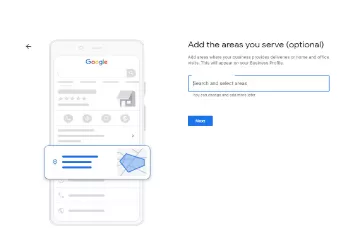
Note: Don’t Use ‘Virtual Office’ Locations

Create Local Business Listings for Each Location
Beyond Google, diversify your online presence by establishing comprehensive local business listings. Platforms such as Yelp and Bing offer additional avenues for visibility.
Structured Data for Local
Structured data adds a layer of context for search engines. Implement LocalBusiness schema markup and AggregateRating for reviews to provide a comprehensive understanding of your business. This strategic implementation enhances the visibility of relevant information in search results.

Manage Reviews
Reviews are testimonials that shape online perceptions. Proactively manage reviews by responding to positive feedback with gratitude and addressing negative reviews professionally.

Gather More Positive Reviews
Positive reviews serve as digital accolades. Implement a proactive strategy to solicit positive feedback from satisfied customers. Their testimonials not only contribute to a favorable online reputation but also enhance visibility in local searches.

Addressing Negative Reviews
Even in a positive online narrative, negative reviews may emerge.
Address them diplomatically, offering solutions and showcasing a commitment to customer satisfaction. Effectively handled negative reviews can transform challenges into opportunities to showcase exemplary customer service.

Build Backlinks for Each Location
The pursuit of backlinks continues with a focused approach to location-specific opportunities.
Forge connections with local influencers, engage in collaborations with neighboring businesses, and participate in events that resonate with each community.
Take Advantage of Google Posts
Google posts serve as a dynamic communication tool. Use them strategically to disseminate timely updates, promotions, and events directly through your Google My Business listing.
This enhances engagement and keeps the local audience informed.
Measuring Performance
As you optimize your business for multiple locations, understanding how well your strategy performs is important.
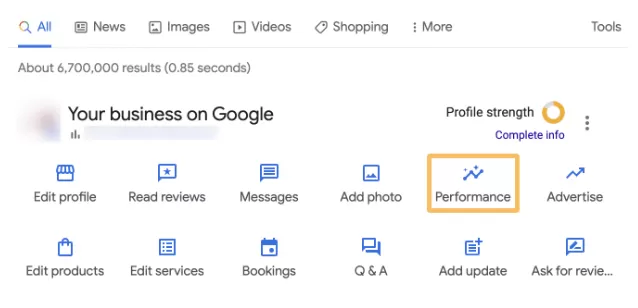
Here are some metrics and insights that can help you understand the effectiveness of your multi-location SEO efforts:
Engagement Metrics
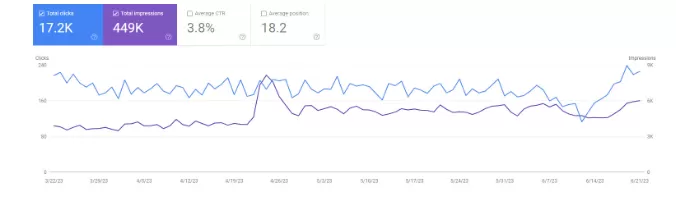
You can analyze the time spent by visitors on location-specific pages, the number of pages visited, and the interaction with the localized content.
Social Media Metrics
If your business maintains a social media presence, delve into the analytics of location-specific accounts or pages: track follower growth, engagement rates, and the resonance of your content within each local audience.
Customer Surveys
Direct feedback from your local customer base is invaluable. Implement surveys to gather insights into customer satisfaction, preferences, and perceptions.
Event Participation
Measure the impact of your participation in local events and sponsorships. Track foot traffic, brand visibility, and community engagement during and after events.
Competitor Benchmarking
Evaluate your performance in the context of your competitors operating in the same locations. Analyze their online presence, customer reviews, and engagement metrics.
Call Tracking
Implement localized call tracking numbers for each location. This allows you to attribute phone calls to specific SEO efforts, providing insights into which locations generate the most inquiries.
Retention Rates
Assess the retention rates of customers in each location. Repeat business is a powerful indicator of customer satisfaction and the effectiveness of your local marketing efforts.

Wrapping up
Navigating the landscape of multi-location SEO requires a strategic blend of precision, engagement, and adaptability. As you measure your efforts’ performance, remember that SEO is an ongoing journey rather than a destination.
Stay attuned to industry trends, algorithm updates, and shifts in consumer behavior to refine and optimize your strategy continually.
In your pursuit of local online success, remember that each location is unique, and your approach should reflect the distinct characteristics of each community.
By maintaining a keen focus on local relevance, fostering positive user experiences, and staying informed about evolving SEO practices, your business can thrive and gain a recognizable presence in every locality it serves.